9 min read
 Weekly recap
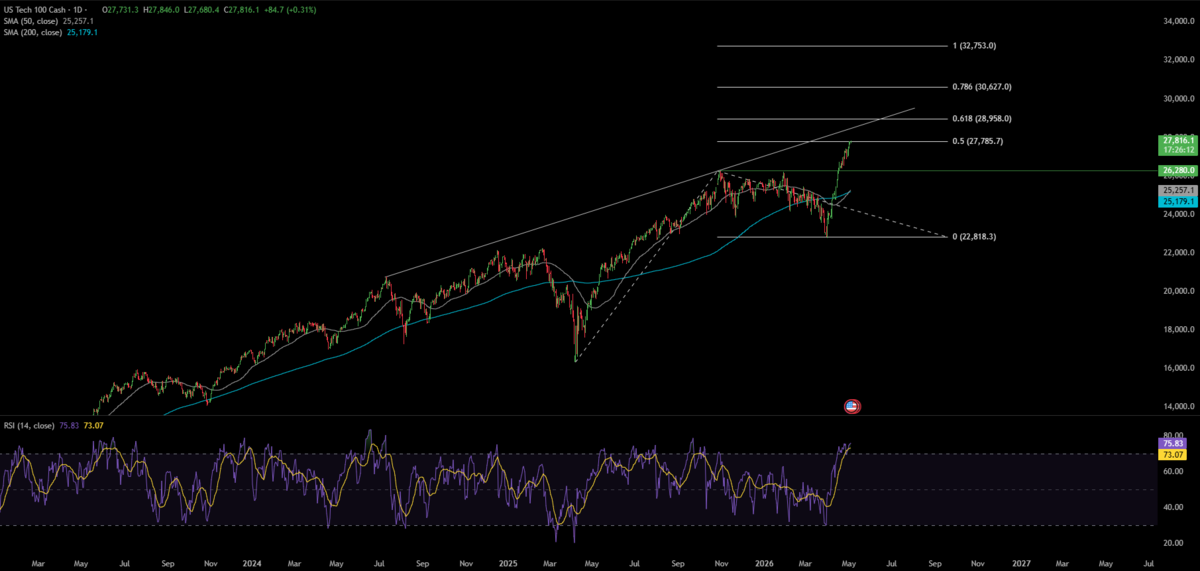
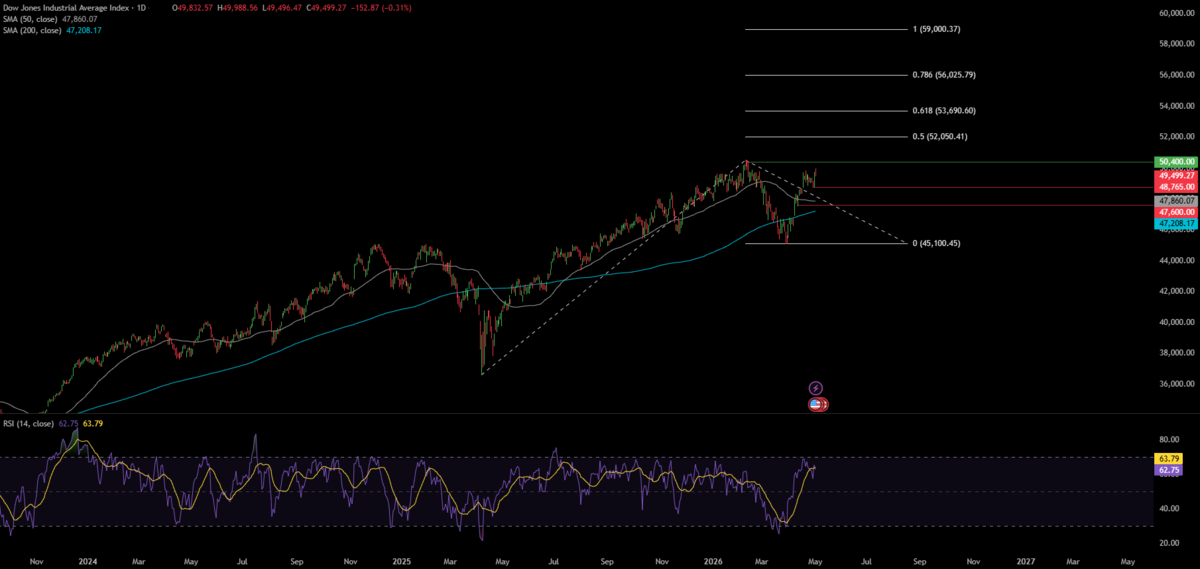
US stocks posted their strongest monthly gains since 2020 in April. The S&P 500 closed at a record 7,230, and the Nasdaq reached a new all-time high of 27,710. While the Dow Jones lagged on Friday, closing at 49,499, it still recorded its best month since November 2024. The rally was driven by strong Q1 earnings, lower oil prices, and renewed optimism that Iran’s latest peace proposal, delivered through Pakistani mediators, could help resolve the ongoing supply shock.
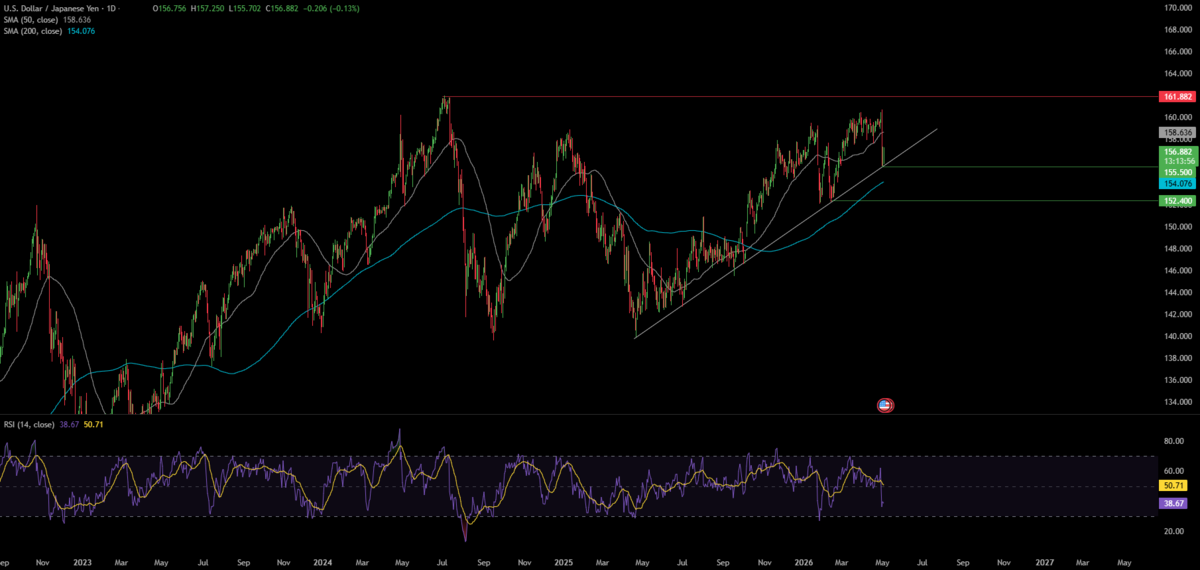
The US dollar ended the week weaker, with the dollar index falling to a two-month low. Suspected intervention by Japanese authorities led to a sharp yen rally late in the week. Moreover, the FOMC maintained rates at 3.50%–3.75% in a hawkish hold on Wednesday. The next meeting is scheduled for June 16–17, with markets assigning just an 8% chance of a rate cut.
What to watch this week:
Iran ceasefire and the Strait of Hormuz
Geopolitical developments will continue to drive markets this week. Over the weekend, Iran sent an updated peace proposal to the US via Pakistani channels in response to recent American amendments. Iranian Foreign Minister Abbas Araghchi stated that Tehran is prepared to continue diplomatic efforts if the US adjusts its approach.
The situation remains an uneasy equilibrium: a fragile ceasefire has held since early April, but the Strait remains closed to most flows. Approximately 14 million barrels per day of supply are still disrupted, representing about one-fifth of global oil and LNG transit.
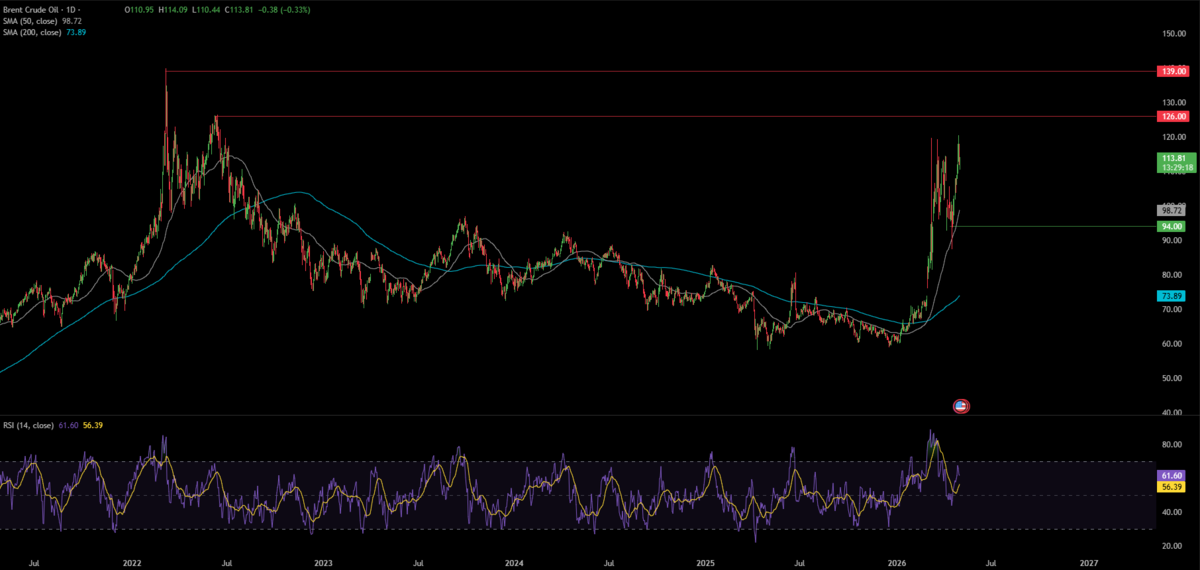
UK Brent price continues to fluctuate, driven largely by headline risk. Prolonged disruption increases inflationary pressures and complicates any shift to more accommodative central bank policies. Progress toward a deal would support risk assets and weigh on oil prices, while any breakdown or reports of expanded US strikes would have the opposite effect.
RBA rate decision (Tuesday)
The Reserve Bank of Australia is the only major central bank meeting this week, and its decision is expected to be the most significant of the year. Markets currently price in a 70% probability of a third consecutive 25-basis-point hike, which would raise the cash rate to 4.35% after increases in February and March brought it to 4.10%.
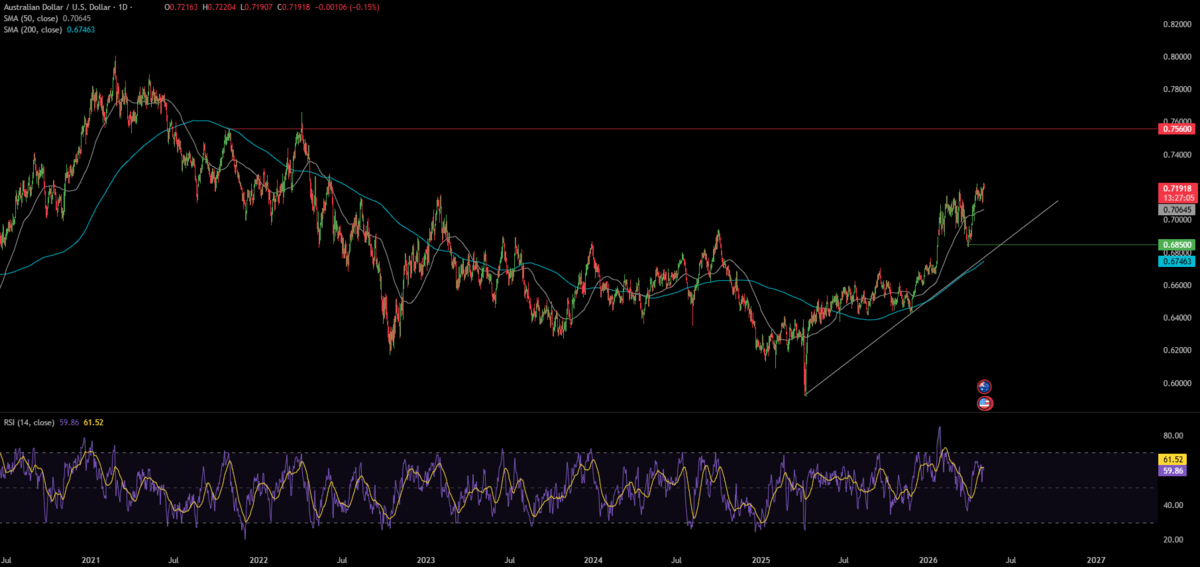
The main argument for action is the rise in inflation. Australia’s Q1 CPI showed headline inflation at 4.6% year-over-year, with trimmed-mean inflation at 3.5% on a quarterly basis, both above the RBA’s 2–3% target. Governor Bullock has stressed a data-dependent, meeting-by-meeting approach, but has made clear the board is concerned about inflation moving away from the target.
A rate hike with hawkish guidance would likely strengthen AUD/USD, while a surprise hold, especially if attributed to weaker household demand, could prompt a sharp decline in the Australian dollar. The Statement on Monetary Policy will provide updated forecasts and is expected to raise the inflation peak.
US ISM Services PMI (Tuesday)
The April ISM Services report will be released at 10:00 ET on Tuesday and is important for two reasons. First, the prices paid component, which reached 70.7 in March, the highest since October 2022, will indicate whether the energy shock is contributing to broader services inflation. This concern is supported by last Friday’s ISM Manufacturing report, which showed that the headline index remained at 52.7, while the prices paid subindex rose to 84.6, a four-year high. Another services price reading near 70 would heighten concerns about second-round effects and support hawkish FOMC members.
Second, the headline reading fell from 56.1 to 54.0 in March. A further decline toward 52 would signal the slowest expansion in six months and create a challenging balance between growth and inflation for the Fed. A weak services reading combined with high prices would signal stagflation, likely strengthening the USD against high-beta currencies and pressuring US equities.
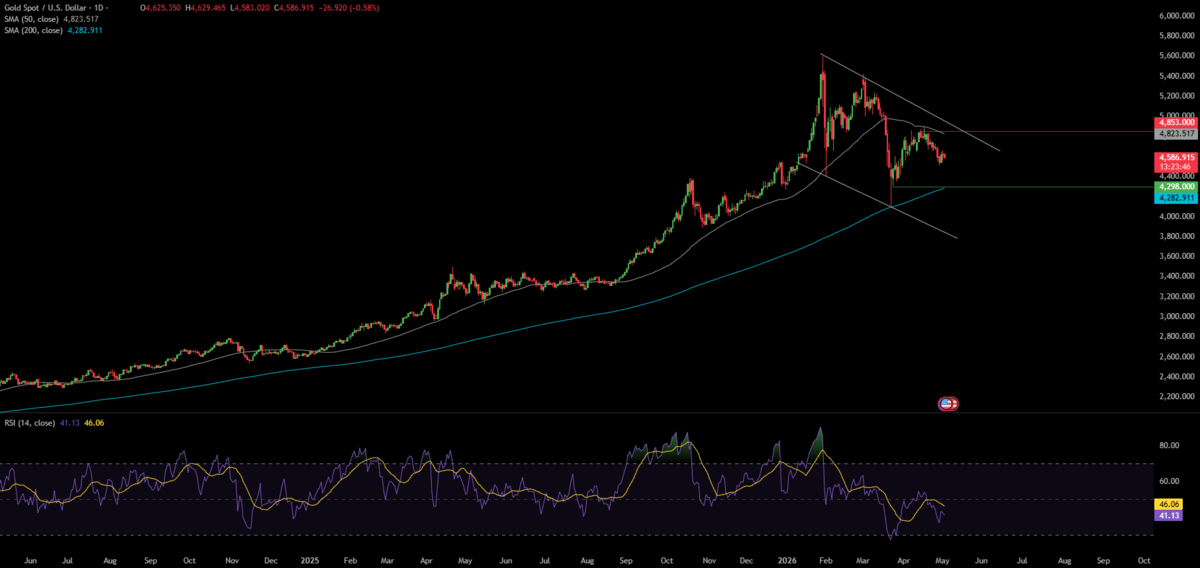
XAU/USD has responded closely to the balance between inflation and growth and is likely to react to this report.
ADP Employment Report (Wednesday)
The April ADP report will be released on Wednesday, ahead of Nonfarm Payrolls, and will influence market positioning for Friday. After March’s strong 178,000 nonfarm payrolls, which rebounded from February’s 92,000 contraction, markets are seeking confirmation that the labor market has stabilized in a low-hire, low-fire range rather than returning to contraction. A weak ADP report alone is unlikely to alter the FOMC’s near-term outlook, but it could increase the probability of a rate cut, potentially supporting the Dow Jones, which has lagged the broader market.
US Nonfarm Payrolls (Friday)
April Nonfarm Payrolls is the key data release this week. Consensus forecasts range from 49,000 to 100,000 jobs added, with most analysts expecting moderate hiring as weather effects normalize after a volatile first quarter. The unemployment rate is expected to remain at 4.3%, and average hourly earnings are projected to increase by 0.3% month-over-month.
Expectations are low for this report. The Fed’s hawkish stance is based on the view that the labour market is no longer the main constraint on policy. Therefore, a weak headline will only influence rate cut discussions if accompanied by a clear rise in unemployment or a downward revision to March. Conversely, a strong result (200,000 or more jobs) would reinforce the higher-for-longer narrative, strengthen the USD, and push USD/JPY above recent highs. With the Bank of Japan also under pressure to support the yen, USD/JPY remains the clearest indicator of divergent G10 policy outlooks for this release.
Canadian jobs report (Friday)
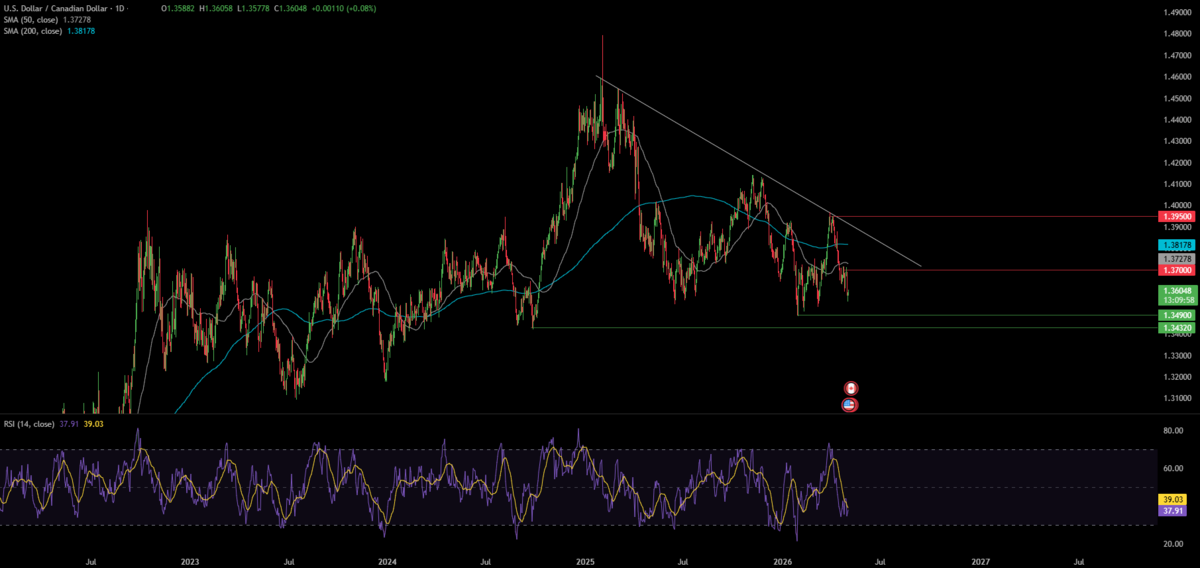
The Canadian Labor Force Survey for April, released alongside US NFP, is expected to show employment rising by about 25,000 after a 14,000 increase in March, with the unemployment rate steady at 6.7%. The Bank of Canada held rates at 2.25% on April 29 and is expected to remain on hold through 2026, as reflected in the federal Spring Economic Update. The recent energy shock has improved Canada’s terms of trade, with the merchandise trade deficit likely narrowing amid a 40% increase in oil prices. However, the impact on the labor market is yet to be seen. A weak report could increase the likelihood of BoC easing later this year and would likely weaken the Canadian dollar, lifting USD/CAD.
US tech earnings: Palantir, AMD
This week, 126 S&P 500 companies will report earnings. With the Magnificent Seven having mostly reported, attention now turns to AI infrastructure and consumer-focused companies.
Palantir, reporting Monday after the close, is the main AI-focused company this week. Consensus expects EPS of $0.28 (up 115% year-over-year) on revenue of $1.54 billion (up 74% year-over-year), with US commercial revenue growth—at 137% year-over-year last quarter—being the key metric. The options market anticipates a roughly 9.5% move after earnings. Expectations are high, and even a minor miss could prompt a sharp decline, especially given the recent sector rotation.
AMD, reporting Tuesday after the close, is the other key AI proxy this week. The Street expects EPS of $1.29, up 34% year-over-year, on revenue of $9.89 billion, up 33% year-over-year. After an 88% rally from early March lows, followed by a pullback, the focus will be on MI300X traction, hyperscaler order visibility, and how much TSMC capacity AMD is securing for the second half of the year. AMD’s commentary will also inform the broader semiconductor sector, and Nvidia’s results later this month.
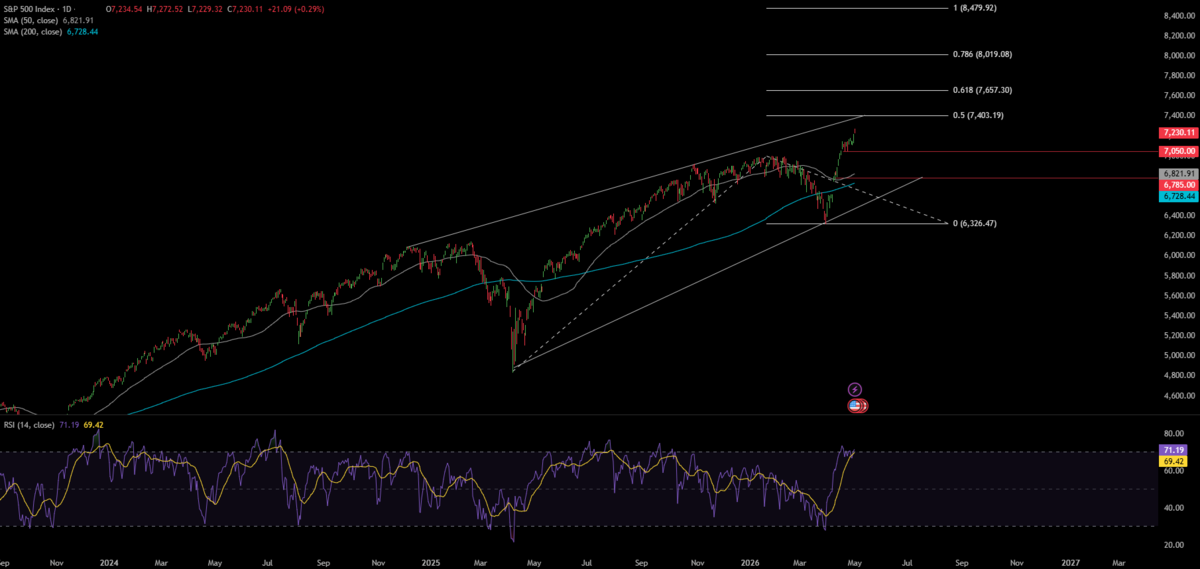
With market breadth at levels last seen during the dotcom era and indices at record highs, expectations for positive results are elevated. Strong earnings may be required just to maintain current levels, while any disappointment, particularly in guidance, could lead to a sharper-than-usual decline in the S&P 500.
Bottom line
The Iran ceasefire and the closure of the Strait of Hormuz remain the primary market drivers, with Middle East headlines likely to outweigh individual data releases. However, with market positioning stretched and indices at record highs, this week’s data will influence market reactions and determine the rally’s sustainability.
Trading involves risk.
Author



 Risk Disclaimer
The content provided here is for informational purposes only. It is not intended as personal investment advice and does not constitute a solicitation or invitation to engage in any financial transactions, investments, or related activities. Past performance is not a reliable indicator of future results.
The financial products offered by the Company are complex and come with a high risk of losing money rapidly due to leverage. These products may not be suitable for all investors. Before engaging, you should consider whether you understand how these leveraged products work and whether you can afford the high risk of losing your money.
The Company does not accept clients from the Restricted Jurisdictions as indicated in our website/ T&C. Some services or products may not be available in your jurisdiction.
The applicable legal entity and its respective products and services depend on the client’s country of residence and the entity with which the client has established a contractual relationship during registration.