7 min read
 US stocks & the jobs shock
US stocks reached record highs last week after a surprisingly weak jobs report shifted expectations for interest rates. The economy lost 23,000 payrolls in July, marking the first decline since February and missing forecasts for an 80,000 gain. May and June figures were also revised down by a combined 103,000. Unemployment fell to 4.1%, driven by a lower participation rate.
Markets interpreted the data as reducing the likelihood of a September Fed rate hike and increasing the chances of cuts. The dollar fell to a two-week low, and Treasury yields declined. Equities rallied, led by a rebound in semiconductor stocks, with the semiconductor index rising over 7% for the week. The S&P 500 closed Friday at a record 7,757.64, surpassing 7,700 for the first time. The Dow Jones ended at 54,036.93, and the Nasdaq gained 1.3%.
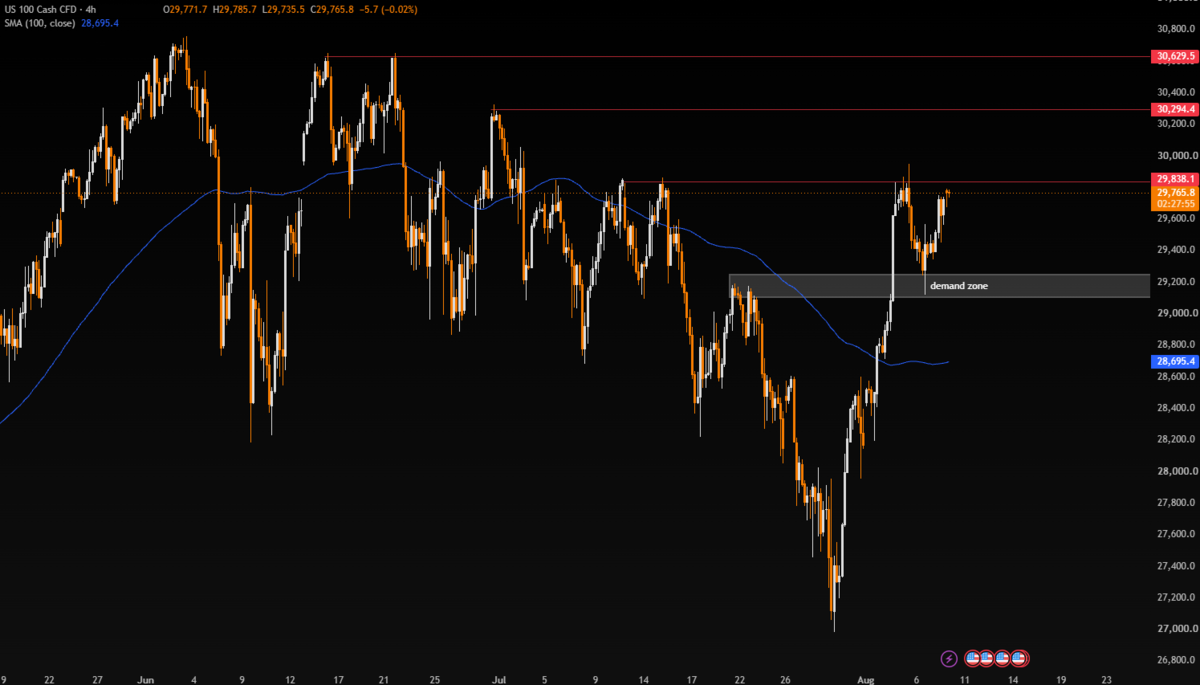
For the week, the S&P 500 rose 3.6%, the Dow Jones about 3%, and the Nasdaq 5.2%, marking the strongest performance in months. This “bad news is good news” dynamic leaves the Nasdaq increasingly sensitive to concerns about slowing growth.
Middle East de-escalation & oil
In the Gulf, momentum shifted toward de-escalation last week. Iran and Oman held talks on reopening the Strait of Hormuz, and President Trump expressed optimism, stating the conflict could end “pretty soon” and that discussions were advancing.
The two sides remain far apart on key issues. Iran seeks to exclude US and Israeli vessels and impose fees on countries it considers hostile, while Washington advocates for unrestricted transit and a return to pre-war conditions. Sporadic attacks on shipping continued. Nonetheless, the potential return of significant oil supply drove Brent down over 7% for the week to around $82, with WTI near $79.
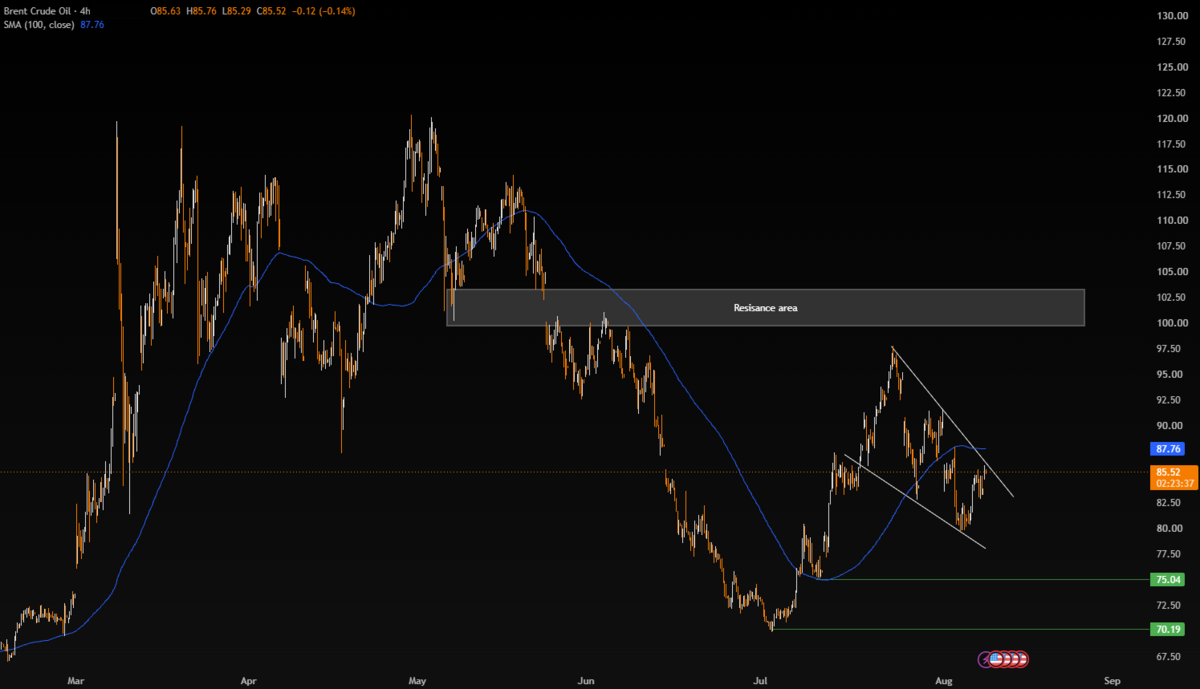
The decline in Brent has been the main disinflationary factor over the past month, reversing the earlier energy shock that pushed US inflation to multi-year highs. A lasting Hormuz agreement could bring Brent closer to pre-war levels near $70, while a breakdown in talks or renewed attacks could quickly restore the risk premium.
US CPI (Wednesday)
July CPI, the key release of the week, is scheduled for Wednesday at 8:30 a.m. ET. Barclays expects core CPI to increase 0.24% month-on-month, up from June’s nearly flat reading, with gains concentrated in services. Headline inflation is projected to be at the “0.2% handle.”
This report is the first significant inflation test since the jobs data shifted Fed expectations. If results match forecasts, policymakers are likely to maintain rates at 3.50%–3.75%. However, the annual rate remains high, and any upside surprise could renew concerns about a more hawkish FOMC stance. Gold has rallied to around $4,340, a two-month high and its best week since January, supported by lower oil prices, a weaker dollar, and declining Treasury yields.
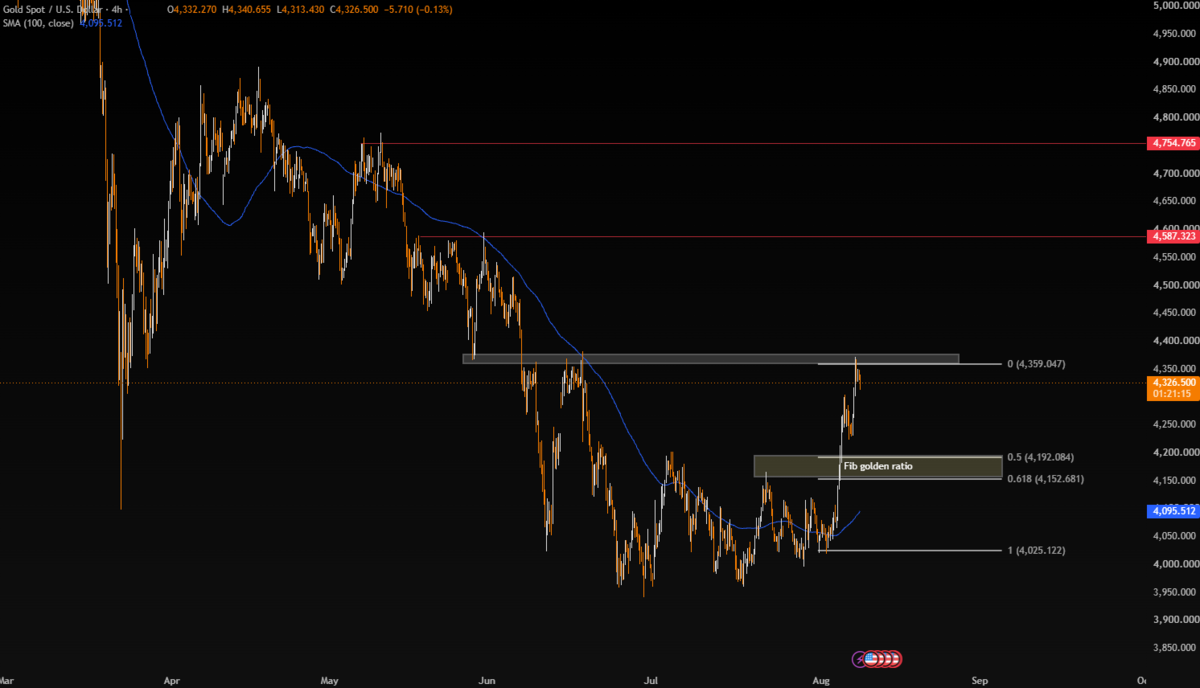
A soft CPI reading would strengthen expectations for rate cuts and could push Gold toward record highs. Conversely, a higher-than-expected print that lifts the dollar and yields could weigh on Gold.
RBA decision (Tuesday)
The Reserve Bank of Australia will announce its decision on Tuesday and is widely expected to keep the cash rate at 4.35%. Money markets are pricing in about a 99% probability of no change.
The RBA has been one of the more hawkish G10 central banks this year, raising rates in February and May in response to energy-driven inflation. Governor Bullock has emphasized that inflation remains elevated and will take time to return to target. The tone of the statement and press conference will be closely watched, as will Thursday’s Australian jobs data. AUD/USD is trading in the high-0.60s, supported by a softer US dollar.
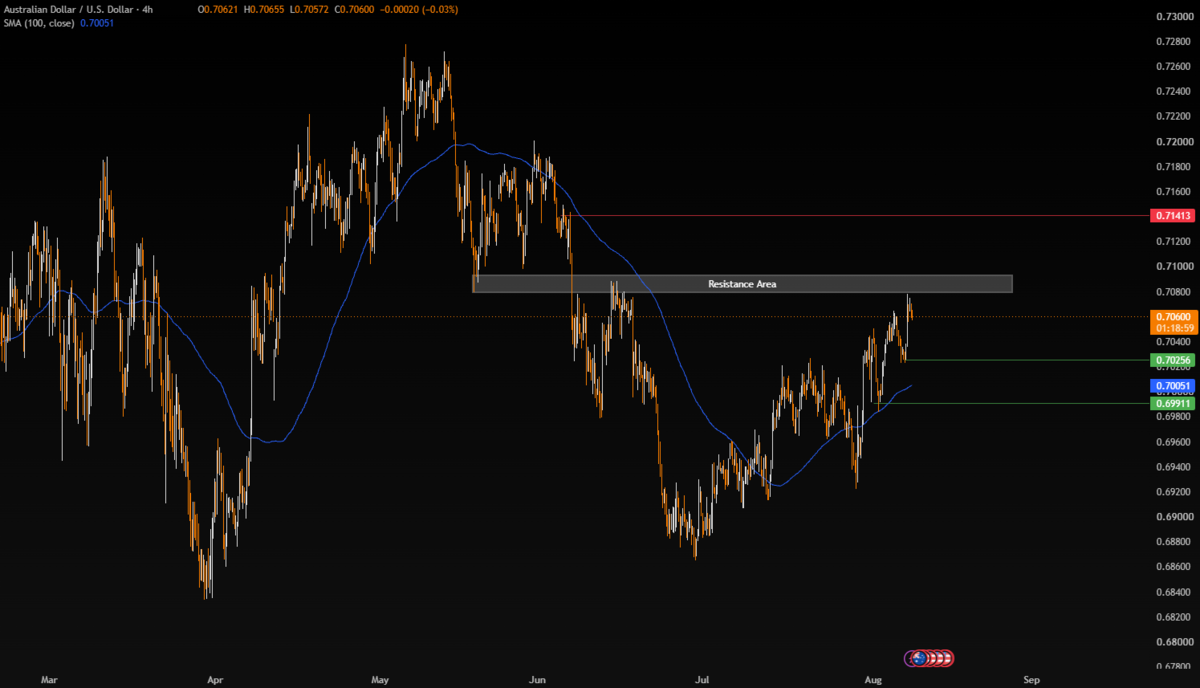
A hawkish view holds that counter rate-cut expectations could lift AUD/USD, while a dovish shift or signs of a cooling labor market could weigh on the currency.
UK GDP (Thursday)
The UK will release Q2 GDP and the June monthly figure on Thursday. Growth is expected to have been subdued following a recent slowdown, making this the first significant assessment of the economy under Prime Minister Andy Burnham.
The Bank of England maintained its rate at 3.75% last month in a hawkish 6-3 vote, warning that higher energy prices could raise inflation later this year. As a result, the growth data will directly influence the debate on whether the BoE can ease policy or must remain restrictive. Fiscal uncertainty under the new government adds pressure on sterling, with some analysts highlighting downside risks. GBP/USD is trading around 1.35.
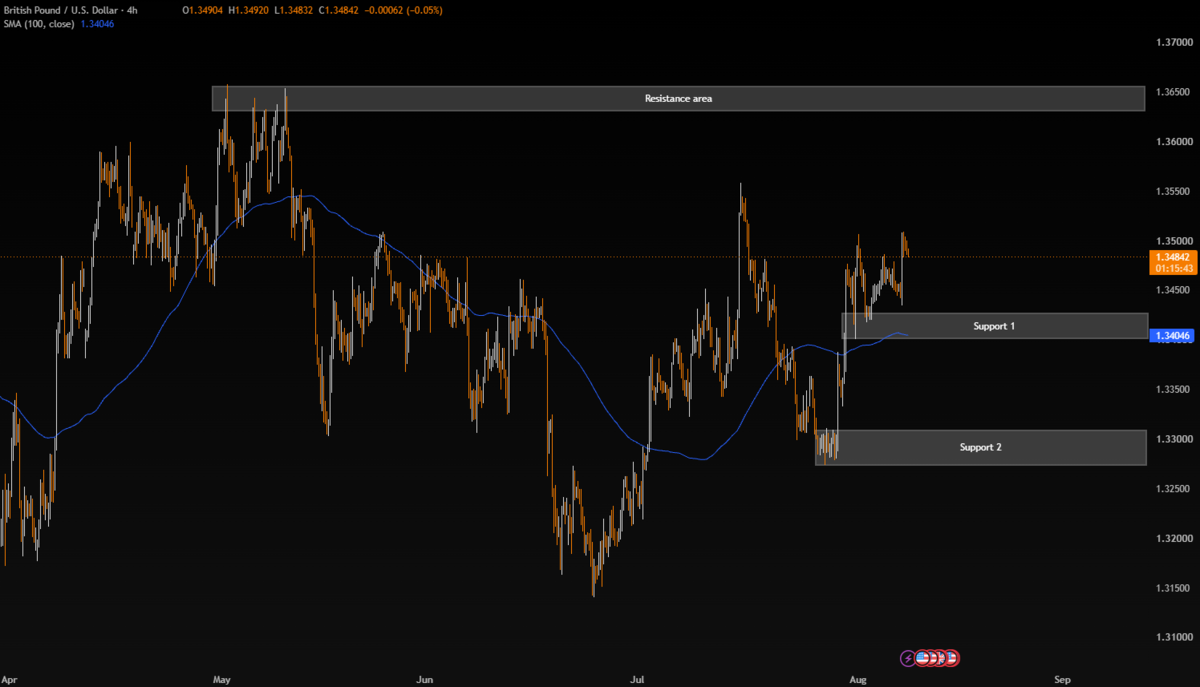
A stronger-than-expected GDP reading could support GBP/USD, while weak growth or renewed fiscal concerns that increase expectations for BoE easing could weigh on the currency.
US retail sales & PPI (Thursday & Friday)
The US will release July PPI on Thursday and retail sales on Friday. These reports will indicate whether wholesale inflation is accelerating and if consumer spending remains resilient as the labor market slows.
These releases come as the dollar trades at a two-week low following the jobs report, and the yen remains influenced by recent intervention. The Bank of Japan and US authorities pulled USD/JPY back from 40-year lows near 164 in late July, a level that remains closely watched. Weak retail sales would heighten growth concerns and support a more dovish Fed outlook, while strong data would ease these worries.
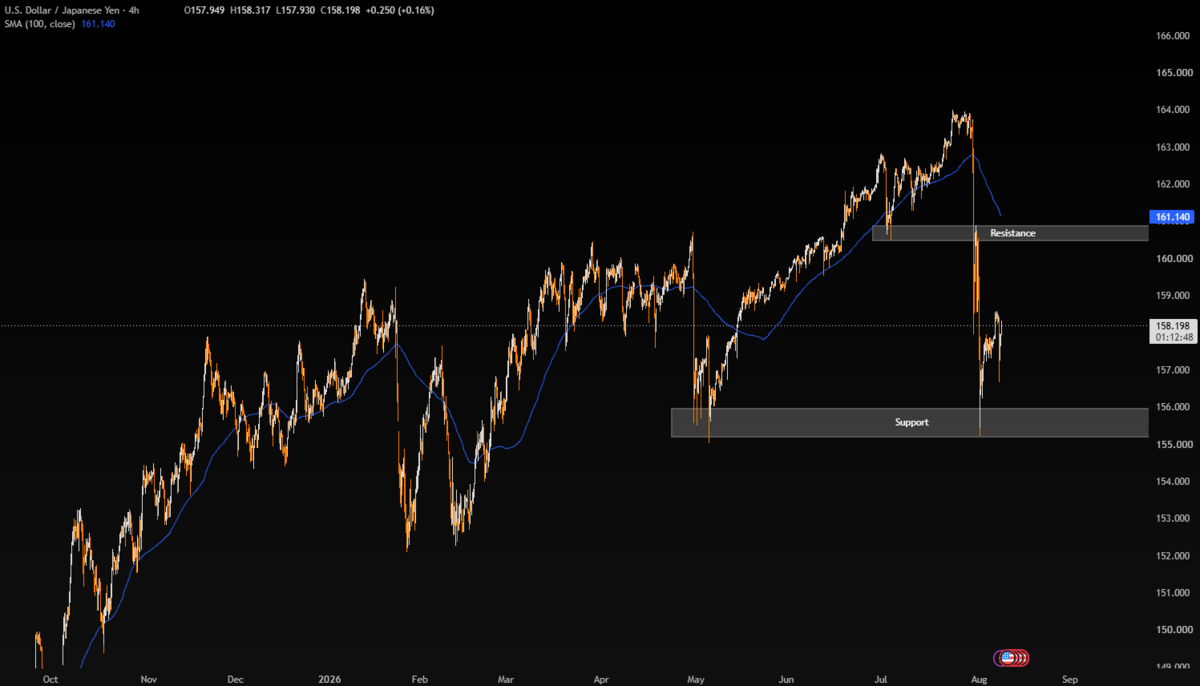
Strong retail sales and higher PPI could strengthen the dollar and push USD/JPY higher toward the intervention zone. Conversely, weak data could lead to a lower USD/JPY.
Bottom line
The unexpected July jobs report has shifted the outlook, moving the focus from a potential September rate hike to whether the Fed will need to cut rates. Wednesday’s CPI release will be a key test of this view. A moderate inflation reading would support the recent rally in the S&P 500, while a higher figure could renew concerns about stagflation.
Trading involves risk.
Author



 Risk Disclaimer
The content provided here is for informational purposes only. It is not intended as personal investment advice and does not constitute a solicitation or invitation to engage in any financial transactions, investments, or related activities. Past performance is not a reliable indicator of future results.
The financial products offered by the Company are complex and come with a high risk of losing money rapidly due to leverage. These products may not be suitable for all investors. Before engaging, you should consider whether you understand how these leveraged products work and whether you can afford the high risk of losing your money.
The Company does not accept clients from the Restricted Jurisdictions as indicated in our website/ T&C. Some services or products may not be available in your jurisdiction.
The applicable legal entity and its respective products and services depend on the client’s country of residence and the entity with which the client has established a contractual relationship during registration.