
The 30-year Treasury yield has held above 5% for 27 straight days, its longest stretch since 2007, as Fed Chair Kevin Warsh's silence and a rare US-backed yen intervention unsettle bond markets. The dollar is weakening even as yields climb, and Japan's more than $1 trillion in Treasury holdings adds pressure just as the Treasury raises its borrowing needs.
The 30-year Treasury yield has held above 5% for more than 27 consecutive days, its longest stretch since 2007, reviving the "Sell America" debate that first flared during April's tariff shock. According to Bloomberg, Rajeev De Mello of Gama Asset Management said: "Bessent and Warsh are a double whammy to global markets that investors can't ignore." The yield has retraced somewhat since the last Fed meeting, but the message from the long end is unmistakable.
Warsh's Silence Unsettles Bond Traders
Kevin Warsh was confirmed as Fed Chair on May 13, 2026, in a 54-45 vote, the most divisive confirmation in the Fed's history, succeeding Jerome Powell on May 22. His preference for sparse communication leaves investors guessing at the committee's stance, and an unusually high number of Fed officials favor an immediate rate hike.
Core inflation isn't cooperating. The Fed's preferred gauge sits at a 12-month high, in the 90.9th percentile of its trailing range. The funds rate has held at 3.75% since December. Ranjiv Mann of Allianz Global Investors warns the Fed risks falling behind the curve.
Treasury Backs a Rare Yen Intervention
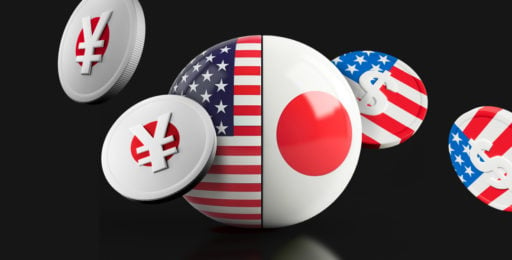
Treasury Secretary Scott Bessent signed off on US support to help Japan prop up the yen, the first coordinated intervention of its kind in nearly 30 years. Officials routed the operation through euros to avoid dumping dollars into the Treasury market. Bessent told CNBC that Washington would back Tokyo without reservation, describing the euro mechanism as a reallocation of reserves. The signal to currency desks: Washington now wants a weaker dollar, or at least a stronger yen.
Dollar Weakens Even as Yields Climb
Higher US yields usually pull the dollar up, yet the dollar is weakening even as yields climb. The Bloomberg Dollar Spot Index is down about 2% since its June peak. The term premium on 30-year Treasuries jumped to 1.56% this week, the highest since 2013. Steve Brice at Standard Chartered expects the dollar to fall 3-4% over the next 12 months, citing investor unease over the uncertainty.
Japan's Treasury Holdings Are the Pressure Point
April's original "Sell America" episode featured a simultaneous selloff in stocks, bonds, and the dollar; this one is more nuanced. Equities remain resilient, and foreign investors held $9.4 trillion of Treasuries as of May, up 4% year-over-year. Japan, the largest foreign holder, sits on more than $1 trillion in US government debt, and forced liquidation to fund its own intervention would spill directly into Treasuries.
Treasury also raised its estimated borrowing needs for the current quarter to $739 billion this week. Still, Lotfi Karoui at PIMCO notes that only about 2% of trading days this year have seen 10-year Treasuries, investment-grade corporate spreads and the dollar all sell off together — a share that would climb much higher if confidence in US assets were truly breaking down.
Source: 24/7 Wall St.
Trading involves risk.





 Risk Disclaimer