
The US Federal Reserve, the Bank of England and the Bank of Japan all set interest rates within a single week, as surging oil prices and persistent inflation complicate each decision. Kevin Warsh, the Fed's new chair, faces pressure from Donald Trump to cut rates even as the central bank weighs a rise.
The Federal Reserve, the Bank of England and the Bank of Japan will each announce interest rate decisions within the next seven days, with turbulent global bond markets adding pressure to every meeting. Investors are watching whether Kevin Warsh, the Fed's new chair, will resist Donald Trump's demands for lower borrowing costs and instead push the Fed's board to raise rates on Wednesday.
Trump pressures Warsh as oil prices climb
Trump handpicked Warsh for the role and has repeatedly called for lower rates, posting on Truth Social that the US should have the lowest rate of any country in the world. The Fed's board must nonetheless contend with a renewed rise in oil prices after the US-Iran conflict intensified again. A barrel of crude surged past $100 last week for the first time since July, as the Strait of Hormuz remained largely closed to tanker traffic.
Higher energy costs are expected to feed a fresh rise in US inflation, which has stayed above the Fed's 2% target for more than five years. Data published Friday showed annual US inflation unchanged at 3.4%.
Bank of England expected to hold, but pressure builds
Bank of England governor Andrew Bailey has struck a calm note on above-target UK inflation, arguing that rising mortgage rates have already done some of the work a rate rise would. Markets and economists expect the Bank to hold rates at 3.75% on Thursday. Yet three of the nine members of the Bank's monetary policy committee voted for a rate rise in July, and data showing stronger-than-expected UK economic growth could sharpen inflation fears. Financial markets are now betting on four UK rate rises over the next 12 months, up from three before the latest oil price surge.
Bank of Japan tipped to raise rates
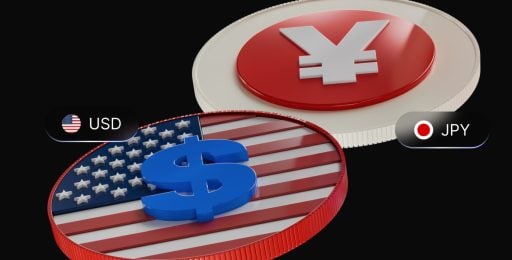
In Tokyo, the Bank of Japan is widely expected to announce a rate rise on Friday, validating the yen's recent recovery on foreign exchanges. A quarter-point increase would take the BoJ's policy rate to 1.25%, a level not seen for more than 30 years. The US Treasury joined Japanese authorities in intervening in foreign exchange markets to support the yen in July, and Treasury secretary Scott Bessent has said he expects rates to rise. Bessent said of the Bank of Japan: "I have asymmetric information. I am the house now."
Source: The Guardian
Trading involves risk.





 Risk Disclaimer