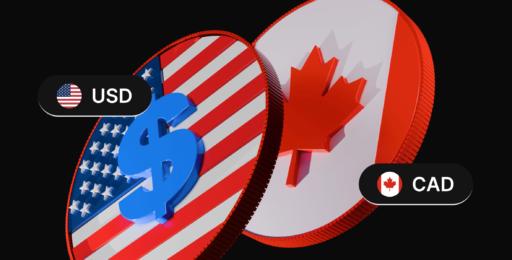

The US and Canada remain stuck over auto tariffs, with Washington's offer to cut its levy on Canadian-made vehicles to 15% called underwhelming by Ottawa. Unless the two sides reach a broader deal, a 50% tariff on a range of Canadian goods, including automobiles, is due to take effect on August 19, 2026.
Washington has offered to trim its 25% tariff on Canadian-made vehicles and parts down to 15%, but Canadian officials have called the offer underwhelming given how thin margins already run in the auto industry. Neither side looks ready to blink.
The stakes reach past cars. If the two governments can't land a broader trade deal, new 50% tariffs on a range of Canadian goods, including automobiles, are scheduled to take effect on August 19, 2026.
The math behind the offer
The US proposal carries a wrinkle: vehicles with higher levels of US content could qualify for an effective tariff rate as low as 7.5%, rewarding manufacturers that source more parts from American suppliers. That structure gives carmakers an incentive to shift production inputs south of the border, which is why Canadian negotiators aren't thrilled — a regime that rewards US content integration could gradually hollow out Canadian auto manufacturing even if the headline rate looks better.
Canada, for its part, maintains its own reciprocal 25% tariffs on certain US products, a retaliatory measure that gives Ottawa leverage at the table but also raises costs for Canadian consumers and businesses importing American goods.
More than just cars on the table
Auto tariffs are the headline issue, but they're tangled up in a wider set of disputes. The talks also cover dairy supply management, a longstanding sore point for US producers seeking greater access to Canada's protected market, along with alcohol sales restrictions and existing tariffs on steel and aluminum.
All of this plays out against the US-Mexico-Canada Agreement, the pact that replaced NAFTA in 2020. Canadian auto sector representatives have warned that concessions now could complicate future USMCA renegotiations, locking in unfavorable terms that would be difficult to unwind later.
Dairy remains politically charged in Canada, where supply management protects domestic farmers through production quotas and import controls, so any concession on dairy access could create political headwinds for Canadian officials at home. Canada views the US offer as insufficient protection for its manufacturing base, while the US appears to be using the threat of the August deadline as leverage.
Source: Crypto Briefing
Trading involves risk.





 Risk Disclaimer