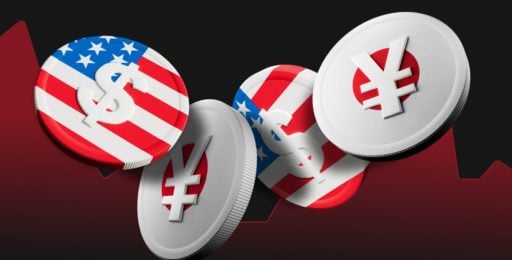

The US Treasury bought Japanese yen on August 1 for the first time since 1998, joining Tokyo in a coordinated but unusually bilateral intervention. Analysts questioned the timing and structure of the move, while the episode also revives concern about how a violent yen carry-trade unwind could ripple into crypto markets.
The US Treasury Department bought Japanese yen on August 1, marking its first direct forex intervention since the G7's 2011 effort to stabilize the yen after Japan's earthquake and tsunami. Tokyo joined the operation to halt the currency's slide, but the bilateral structure of the move left several strategists puzzled.
Bessent authorizes a rare dollar-for-yen swap
Treasury Secretary Scott Bessent, a former hedge-fund manager, authorized the purchase with an estimated $5-10 billion drawn from euro sales routed through the Federal Reserve's FIMA facility. Japan went considerably bigger, spending approximately $36 billion on yen purchases the same day. The trigger was the yen's slide to a 40-year low, approaching 164 yen per dollar.
Bessent attributed the intervention to "disorderly yen movements" driven by substantial undervaluation. The dollar dropped as much as 1% against the yen, falling to approximately 156.34. In the days that followed, the dollar fluctuated by as much as 5% against the Japanese currency.
Why analysts call the operation unusual
Standard Chartered strategist Steven Englander called the timing and coordination puzzling, arguing the yen simply wasn't a top US trade issue. Unlike the multilateral 2011 G7 action, this was a bilateral operation between two allied nations rather than a broader coordinated response. Both governments signaled readiness for further interventions if conditions warranted.
Spillover risk for crypto markets
Traders who had been shorting the yen, a popular carry trade given Japan's low interest rates, got a reminder that governments can move against consensus positioning. But the more practical concern for crypto investors is the volatility transmission mechanism, since sharp dollar-yen swings tend to ripple across risk assets, including Bitcoin and major altcoins.
The yen carry trade, where investors borrow cheaply in yen to fund higher-yielding assets, has historically supplied significant liquidity to speculative markets. When that trade unwinds violently, as it did in August 2024, crypto markets tend to feel the impact.
Source: Crypto Briefing
Trading involves risk.





 Risk Disclaimer