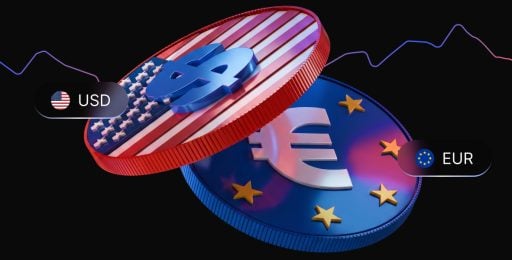

Eurozone headline inflation rose to 2.9% in July from 2.8% in June, matching forecasts. Core inflation unexpectedly accelerated to 2.5% from 2.4%, and the upside surprise strengthens the case for another European Central Bank rate hike in September.
Core Inflation Surprises to the Upside
Eurozone headline consumer prices rose 2.9% year-over-year in July, up from 2.8% in June and in line with expectations. Core inflation, which strips out food and energy, accelerated to 2.5% from 2.4%, beating expectations for an unchanged reading. Services inflation, tied to wages and labor costs, also edged up to 3.3% from 3.2%.
Energy Prices Reaccelerate as Middle East Tensions Persist
Energy inflation drove much of the headline gain, jumping to 10.0% from 8.5% as renewed fighting in the Middle East pushed oil prices higher. Brent crude, the global benchmark, traded around $89 a barrel, after briefly topping $100 a barrel the previous week. Non-energy industrial goods inflation firmed to 0.9% from 0.7%. Food, alcohol and tobacco inflation eased to 1.2% from 1.5%, the only easing component in the report. On a monthly basis, energy prices rose 2.4% and services prices rose 1.1%, while food prices held flat.
ECB Faces Growing Pressure for a September Hike
The ECB left interest rates unchanged at its meeting earlier in July, but flagged that "uncertainty remains high" around the impact of the Iran war on energy costs. President Christine Lagarde warned inflation is likely to stay above target well into 2027. Peter Kazimir argued another rate increase may still be needed as well. Traders now price roughly a 66% chance of a rate hike in September, up from about 64% earlier in the week. By year-end, markets price in about 38 basis points of hikes, with roughly 52 basis points expected before the middle of 2027.
Eurozone growth adds to that case: the economy expanded a faster-than-anticipated 0.4% in the second quarter, giving the ECB room to keep tightening on the table.
Sources: Investing.com, InvestingLive, ActionForex
Trading involves risk.





 Risk Disclaimer