
A Democratic win in both chambers of Congress sent oil sharply lower and led market watchers to question next year's rate path. But oil has since started to climb again, and analysts say fiscal policy and a possible AI buildout slowdown will shape the U.S. growth outlook.
Democrats' sweep of the House and Senate has the potential to curb interest rate hikes globally next year, according to market watchers. The outcome depends on oil prices, U.S. economic growth and fiscal policy.
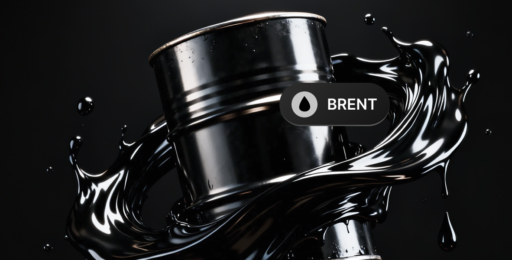
Oil moved first. ICE Brent crude fell 8.7% on Wednesday, closing below $100 a barrel for the first time since September.
Oil drives the rate debate
Traders largely read the drop as a sign that President Donald Trump may be more inclined to strike a deal to end the Iran war. Central banks have been raising rates in recent months, and the war has pushed up oil and gas prices. Lower energy costs could ease inflation pressure.
Bank of America rates strategist Ralph Axel said historic data shows a tight correlation between oil and global rates. Higher oil over the next three to six months would likely mean significantly higher U.S. interest rates, he said, and especially higher ones in the U.K. and Germany.
A peace deal is far from locked in
However, oil began to climb back up on Thursday, and AJ Bell's Dan Coatsworth noted that rate expectations have not radically changed from pre-election levels. Money markets showed traders pricing in a slightly higher chance of monetary easing on a one-year horizon in both the U.S. and Europe.
Bank of England Governor Andrew Bailey, whose bank hiked rates by 25 basis points on Thursday, said energy pressures come from Strait of Hormuz obstructions, a refining shortage and low European gas storage. According to Bailey: "A peace process in the Middle East will not shift all of those elements."
Fiscal policy and AI spending shape the Fed's room
Rabobank's Jane Foley said a key question for the Fed is whether the blue sweep could lead to more fiscal prudence in the U.S. and thus less inflation. She added it is very early to be sure of the fiscal outlook, because many Democrats were voted in to soften cost of living pressures.
Daniel Clifton of Baird Strategas pointed to the AI data center buildout as another factor. He said tighter fiscal policy, Fed rate hikes and a slowdown in AI capex would probably produce a policy mistake at some point in mid-2027. His forecast is not a recession but a mid-cycle slowdown in 2027.
Source: CNBC
Trading involves risk.





 Risk Disclaimer