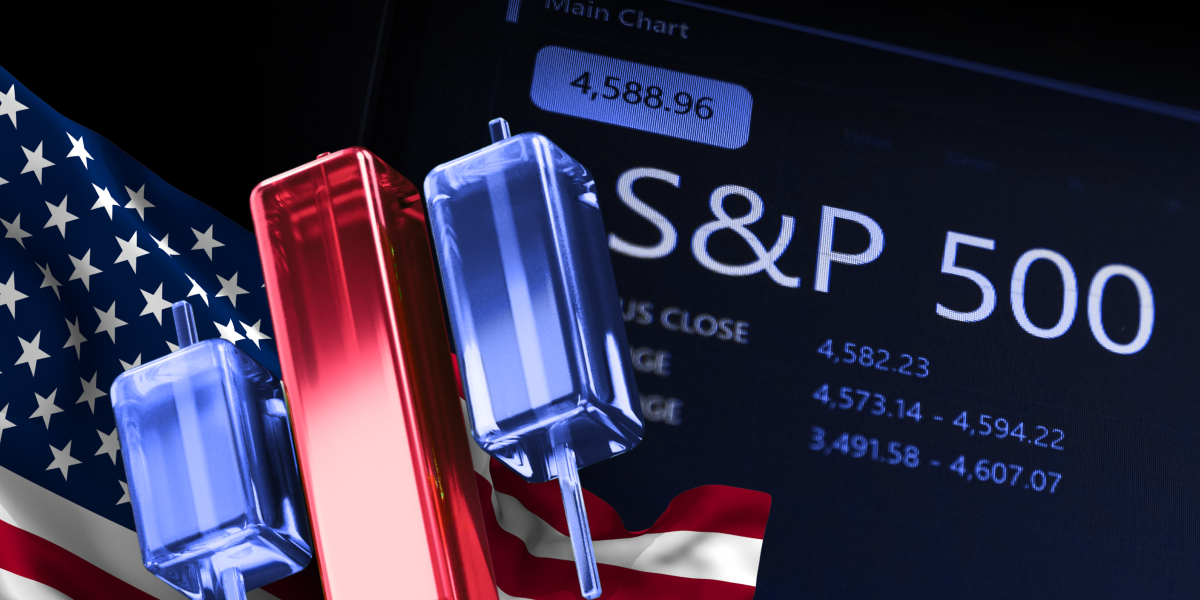

The S&P 500 has set several new record highs in August 2026 and is up more than 12% year-to-date, leaving investors with cash to deploy weighing whether to buy now or wait for a pullback. A J.P. Morgan study of returns since 1970 found that buying at record highs has historically performed slightly better than buying on other days — even as the Shiller CAPE ratio shows valuations near their most stretched levels outside the dot-com peak.
The S&P 500 has set several new record highs just in August and trades up more than 12% year-to-date. For investors sitting on cash, that run raises a familiar dilemma: buy now near the top, or wait for a correction that may never come.
History favors buying at record highs
J.P. Morgan examined S&P 500 returns since 1970 and found that buying at all-time highs has not punished investors. According to the study cited by The Motley Fool: investors who bought at a record high earned an average return of 9.4% over the following 12 months, compared with 9% when the market was not at a record.
Stretch the window further, and the gap widens. Returns reached 20.2% two years after a record high, versus 18.5% following non-high days. Stock prices tend to rise over the long run, so a healthy bull market can reasonably be expected to produce numerous new highs — a sign of strength rather than automatic overvaluation.
Valuations sit near historic extremes
But waiting also carries risk. The Shiller CAPE ratio shows the U.S. stock market more expensive today than at any point in history except the peak of the dot-com bubble. Higher interest rates, geopolitical uncertainty, and high expectations around artificial intelligence could all trigger volatility.
Timing a pullback also demands two correct calls in sequence: first that prices will actually fall further, then knowing exactly when to buy back in. Few investors manage that combination consistently.
Pullbacks remain normal and should be expected at any point. Still, a market trading at or near an all-time high is not, by itself, a reason to stay on the sidelines for investors with a long time horizon.
Source: Motley Fool
Trading involves risk.





 Risk Disclaimer