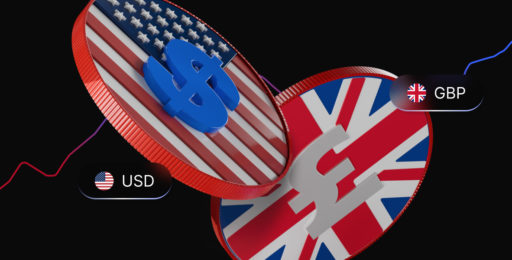

The Bank of England faces pressure to raise interest rates at Thursday's decision as a historic bond-market sell-off collides with UK inflation accelerating to 3.1%. Gilt yields have jumped to multi-decade highs, and Berenberg economist Andrew Wishart warns the Bank risks a sell-off in the pound if it delays action.
The Bank of England faces mounting pressure to raise interest rates on Thursday, as a historic bond-market sell-off collides with fresh evidence that UK inflation is accelerating. Investors have told Threadneedle Street it is essential to rein in prices before the energy shock triggered by the Iran war spreads through the economy.
UK inflation climbs to 3.1%
Official figures showed UK inflation rose from 2.9% in July to 3.1% in August. A 23% increase in motor fuel prices drove the rise.
The average petrol price rose 9.1p between July and August to 161.3p a litre, its highest level since November 2022. Diesel prices rose 14.2p to 181.8p a litre.
Service-sector inflation, closely watched by the Bank, held unchanged at 3.4%, while core inflation stayed at 2.6%. Wage growth slowed and unemployment rose over the same period, cooling trends the Bank has said could help limit the risk of inflation becoming entrenched. Even so, economists said inflation could keep climbing closer to 4% as the Middle East conflict continues.
Gilt yields hit multi-decade highs
Government bonds across developed markets have been swept up in a historic sell-off, with oil prices surging to multi-month highs the same week four major central banks decide on rates. The 30-year gilt yield neared 6% on Tuesday, its highest level since 1997, as investors dumped both long- and short-dated UK debt more aggressively than that of any other major economy.
Shorter-term gilt prices now suggest the Bank will hike rates as many as four times in the next 12 months. The yield on the US 10-year Treasury jumped above 5% for the first time since 2007, underscoring the global scale of the bond-market unease.
Energy shock and the pound
Saudi Arabia shut down a pipeline carrying oil to the Red Sea after a drone strike, reviving supply fears. Brent crude is trading at $107 a barrel, its highest level since May. European natural gas prices have climbed to highs not seen since the initial fallout from Russia's invasion of Ukraine.
Andrew Wishart, senior UK economist at Berenberg, warned the Bank of England it "must deliver" on its previous promises to raise rates, or risk sparking a sell-off in the pound. The European Central Bank tightened monetary policy for the second time since 2023 earlier this week. The Federal Reserve is expected to raise rates on Wednesday for the first time since 2023.
Financial markets currently price a one-in-five chance of a quarter-point rate hike from the current level of 3.75%. The City expects at least four increases to 4.75% next year.
Sources: City A.M. via OilPrice.com, The Guardian
Trading involves risk.





 Risk Disclaimer