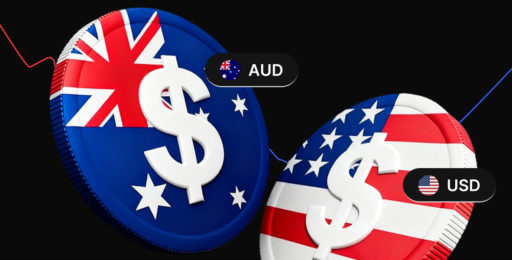

Federal Reserve Governor Michael Barr said the Fed had fallen behind the curve going into last week's rate hike and that further tightening is likely needed to bring inflation back to 2% in a timely way. He tied the renewed price pressure to tariffs, the Middle East conflict, disruptions from Russia's war on Ukraine and the AI investment boom. Separately, AUD/USD tumbled to a seven-week low as the dollar rode a fresh wave of Fed-tightening bets.
Barr Says Fed Was Behind the Curve
Federal Reserve Governor Michael Barr said Wednesday that the Fed had fallen behind the curve as inflation risks increased and labor-market risks receded, describing last week's rate hike as an adjustment in the right direction. Speaking at a housing affordability summit in Chicago, he said economic growth remains strong and the labor market solid, but inflation is still above target and not clearly on track to reach it in a timely way.
According to ActionForex, Barr said "further policy adjustments are likely to be needed" to return inflation to 2%, describing it as his base case rather than a contingency. Growth data reinforced his point: the US S&P Global PMI hit a five-year high the same day.
Tariffs and the AI Boom Add to Price Pressure
Barr attributed the renewed inflation challenge to a mix of forces: tariffs, the Middle East conflict, disruptions from Russia's war on Ukraine and the AI investment boom, all pushing prices higher. That shift, he said, has put the balance of risks firmly on the inflation side, giving the Fed more room to focus on price stability without the same worry that tighter policy would hit a weakening labor market.
He also pushed back on the idea that a lower rate hike path alone can fix housing affordability, arguing the deeper problem is a chronic shortage of housing supply. Mortgage rates, he said, tend to fall alongside inflation — tying the housing question back to the same inflation fight.
AUD/USD Slides as Oil-Driven Inflation Bets Lift the Dollar
Elsewhere in currency markets, AUD/USD fell over 1% on Wednesday, its biggest daily loss since June 23, as the dollar rode optimism that elevated oil prices will keep fueling inflation and push the Fed toward further tightening. The pair violated support at the converged 55/100-day moving averages near 0.7070 and the 0.7050 zone, completing a bearish failure swing pattern.
Bears now target the 200-day moving average at 0.7016, then 0.7007 and the psychological 0.7000 level, while the broken 0.7070/0.7100 zone reverts to resistance overhead.
Sources: Investinglive (snippet-based), ActionForex, ActionForex
Trading involves risk.





 Risk Disclaimer