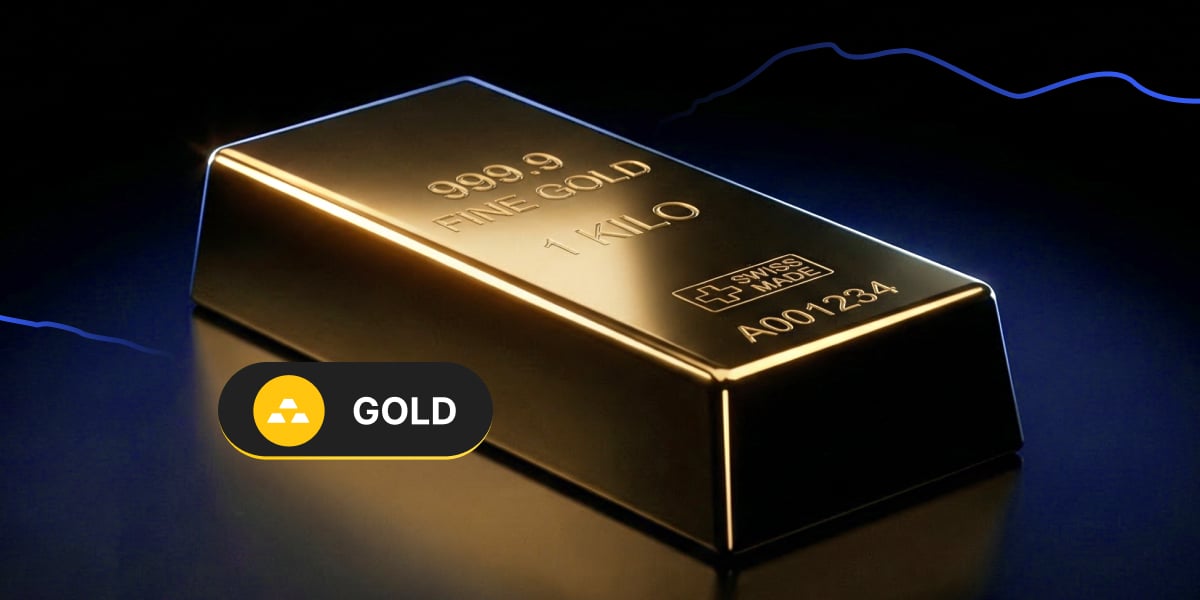

Hong Kong has begun trial operations of a government-owned gold clearing and settlement system built to challenge the Western hubs that have run the global bullion trade for nearly two centuries. It links to the Shanghai Gold Exchange, introduces a new HAU price ticker, and backs a plan to grow local vault capacity tenfold within three years.
Hong Kong is moving to break the grip London, New York, and Switzerland have held over the global gold market for nearly two centuries. The territory has started trial operations of its own gold clearing and settlement system, an attempt to pull more of the trade eastward as metal flows from West to East.
A state-backed rival to London
The government-owned system replicates the LBMA financial infrastructure used in London. Run by the Hong Kong Precious Metals Central Clearing Company, it offers gold deposits, withdrawals, and over-the-counter transaction settlements. A new price ticker called HAU is meant to ensure Hong Kong gold prices are fully accessible to outside participants.
The clearing company's chief executive, John Lee Ka-chiu, called the launch a milestone, saying it would "create a historic foundation, allowing us to take the next major step." The first transactions drew in banks, refiners, mining companies, and jewelry firms.
Wiring into mainland China
The system connects to the Shanghai Gold Exchange through "Delivery Connect," a bridge meant to pool liquidity across both markets. Physical gold held in approved Hong Kong vaults can move to the SGE without reassay or separate shipping, cutting friction between the two.
Swiss trader MKS PAMP will take part, with its chief executive James Emmett saying the system reflects the growing connectivity between mainland China and international markets. JPMorgan Chase Hong Kong head Kwang Kam Shing told the South China Morning Post the setup will strengthen Hong Kong's role as a key gold trading center for Asia-Pacific.
Room to grow
To support the ambition, Hong Kong plans to expand gold storage capacity from 200 to over 2,000 tonnes within three years, and is weighing tax incentives to draw eligible institutions. The timing tracks a broader shift east: gold coin and bar demand reached 1,374.1 tonnes in 2025, worth $154 billion, with China and India accounting for more than half of it.
Source: Money Metals Exchange
Trading involves risk.





 Risk Disclaimer