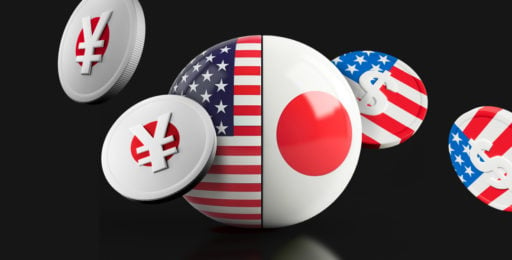

The Bank of Japan raised its benchmark rate to a 31-year high on September 18, yet the yen weakened instead of strengthening. Japan's Silver Week holiday now threatens to drain trading liquidity just as the currency looks most exposed.
The Bank of Japan raised its benchmark interest rate by 25 basis points to 1.25% on September 18, the highest level since 1995. Yet the yen slid toward ¥158 per dollar rather than gaining ground.
This rate hike passed by a 7-2 vote, with board members Toichiro Asada and Ayano Sato dissenting. Markets had pushed the yen higher in the weeks before the meeting, on anticipation that the Bank of Japan would use the decision to signal faster policy normalization. Instead, Governor Kazuo Ueda's team delivered the increase without the accompanying rhetoric that would have convinced markets the tightening cycle carried real momentum.
Silver Week and the liquidity vacuum
Japan's Silver Week holiday begins shortly after the meeting, pulling Tokyo traders from their desks and draining liquidity from yen markets at a delicate moment. Japan has recent experience with this dynamic: during the Golden Week holiday in April-May 2026, the Ministry of Finance conducted interventions totaling roughly ¥11.7 trillion, approximately $73 billion, to support the currency. Total spending over the surrounding month reached $96.4 billion equivalent.
Carry trades keep the pressure on
Even at 1.25%, Japan's benchmark rate remains well below those of most major economies, so the yen stays an attractive funding currency for carry trades, where investors borrow in the low-yielding currency and park the proceeds in higher-yielding ones. The Bank of Japan's failure to signal faster increases told carry traders the interest rate differential isn't narrowing as quickly as feared.
Source: Crypto Briefing
Trading involves risk.





 Risk Disclaimer