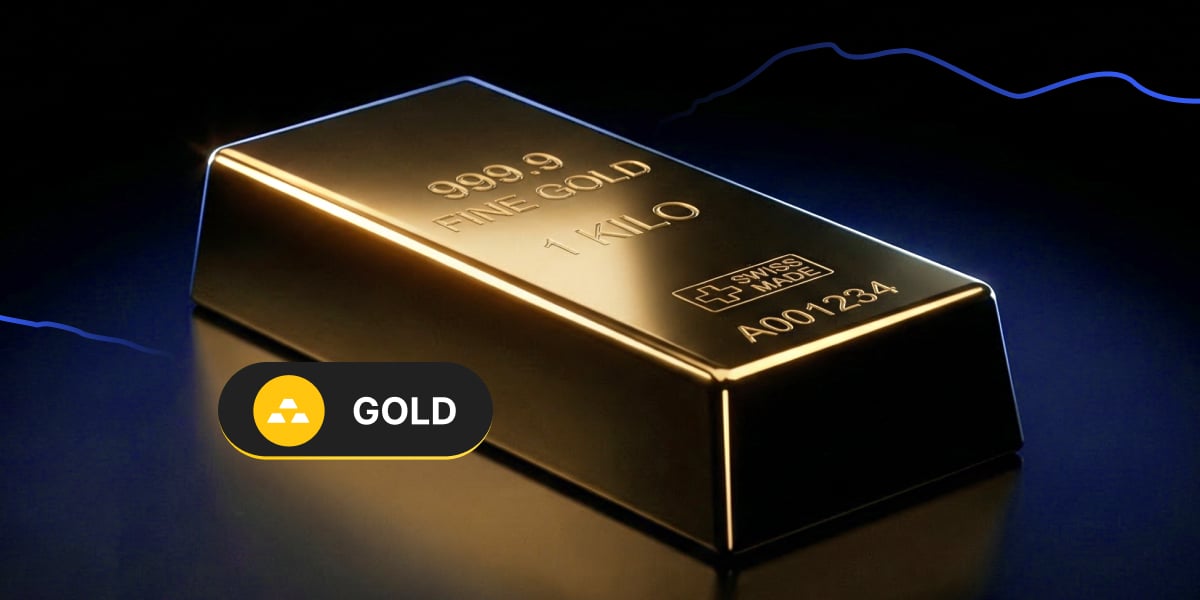

A South Korean gold token issuer, KorDA, is pledging physically backed gold as collateral to help secure Solana validators, using the metal to generate staking revenue rather than sit idle in a vault. The arrangement points to a broader shift: gold increasingly used as working collateral in tokenized finance, not just held as a store of value.
Gold is starting to do more than sit in a vault. Korea Gold Exchange Digital Asset (KorDA), part of ITCEN Group, has partnered with Flowra to pledge its physically backed KGLD token as collateral to secure SOL for Solana validators, with the staked SOL earning validator revenue while the gold holder keeps exposure to the underlying metal.
From passive holding to working collateral
Physical gold has always carried a cost: pledging it as collateral means moving, verifying, and storing bars, all of it slow and expensive. A digital token backed one-to-one by vaulted gold can cut that friction while preserving the holder's exposure. Tokenization does not change the metal itself, but it changes what holders can do with it.
Under the KorDA-Flowra arrangement, KorDA posts KGLD as collateral, SOL is sourced through negotiated deals with institutional counterparties, and that SOL is staked to validators. The two firms are also exploring a delegation program with ambitions to eventually support up to 50 tonnes of tokenized gold and a KRW 10 trillion ecosystem worth more than seven billion dollars over five years.
Flowra CEO Harry Hwang framed the shift plainly. According to Investing.com: "It starts as an efficiency story, but at scale it changes gold’s role".
New demand, and new risks to weigh
A credible gold-backed token requires physical bullion behind it, so collateral use translates directly into demand for vaulted metal, demand that tends to stay put because unwinding it means unwinding whatever is financed on top of it. But the benefits come paired with risks investors need to understand before treating a token as equivalent to bullion.
The key questions are backing and redemption: is there verifiably one unit of metal behind each token, backed by real-time proof of reserves and enforceable redemption terms? Custody also grows more complex once vault security is paired with key management and smart contract risk, and on-chain gold liquidity remains shallow relative to the physical market, meaning tokens can trade at a discount to spot when conditions turn stressed. Regulatory treatment of gold-backed tokens is also still taking shape across most jurisdictions.
Tokenization does not replace gold's traditional case as a scarce asset outside the credit system. It adds a layer: gold that can potentially preserve wealth and support financing activity at the same time, if custody and redemption mechanisms prove trustworthy enough to bear the weight.
Source: Investing.com (Commodities Analysis & Opinion)
Trading involves risk.





 Risk Disclaimer