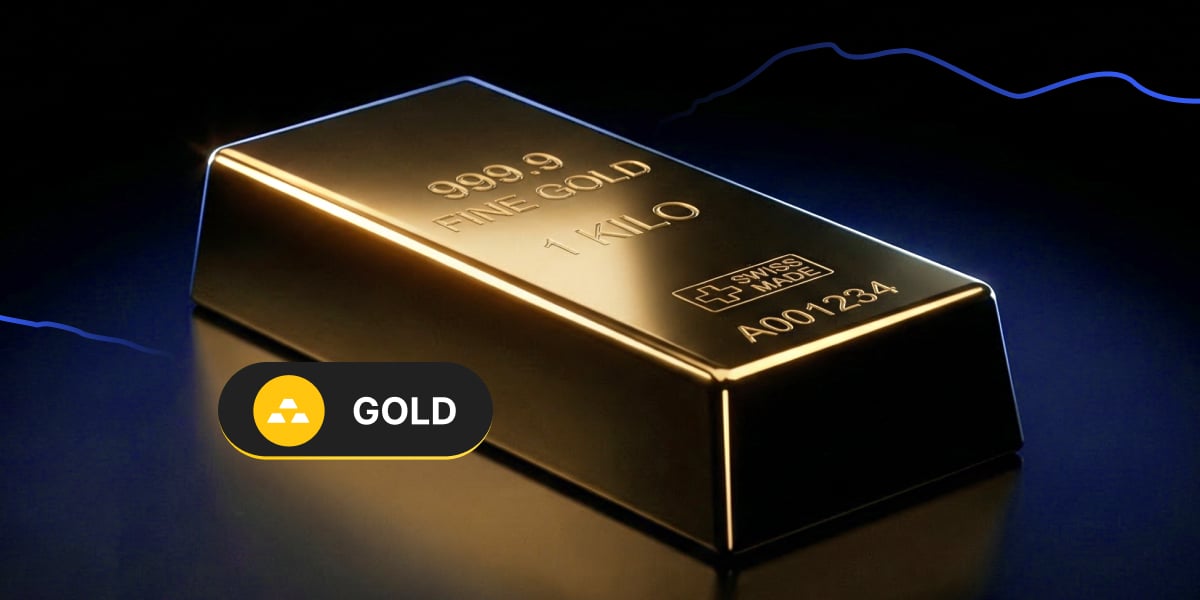

A June slide in gold prices pushed Belarus's gold and foreign exchange reserves to their lowest level this year. The National Bank blamed the fall in bullion prices for draining the fund.
Belarus's rainy day fund shrank to its thinnest point of the year in June, and the culprit was the price of gold rather than any decision by the country's economic authorities. The National Bank valued the reserves at $14 billion 156 million as of July 1, below the previous low of $14 billion 423 million recorded on January 1.
Over the month, reserves fell by nearly $882 million. The regulator pointed to the decline in gold prices on global markets as the main reason.
Why gold dropped
The metal fell by almost 12%, from approximately $4,500 to $4,000 per ounce over June. Analysts linked the drop to a strengthening dollar and the opening of the Strait of Hormuz after a truce in Iran. Oil prices fell for the same reason.
Because the reserves track the metal's value so closely, the swing cut both ways. The economic authorities were no more responsible for June's decline than they were for the earlier growth that rising gold prices had fueled.
A small currency offset
Belarus's reserves did see one gain in June: foreign currency holdings rose by $24.5 million. The National Bank did not explain the source, though it likely bought currency on the domestic market.
June data has not yet been published. But in May, supply of foreign currency exceeded demand by nearly $178 million, with individuals as the main suppliers. Citizens sold $310.5 million more in foreign currency than they bought.
Source: Belsat
Trading involves risk.





 Risk Disclaimer